
First Words Speech Cards Building Early Vocabulary Guide
⚠️ Medical Disclaimer: The information on this page is for educational purposes only and is not a substitute for professional medical advice, diagnosis, or treatment. Supplements are not intended to diagnose, treat, cure, or prevent any disease. Always consult a qualified Speech-Language Pathologist (SLP), pediatrician, or clinician before starting any supplement — especially for children.
When your toddler is trying to talk but can’t quite find the words, it’s hard to know where to start. You want something simple, visual, and fun that actually gets used during busy days. That’s why many families lean on first words speech cards: portable picture cards and board-book style decks that turn everyday routines into language practice. With clear photos, sturdy cardstock, and play-based prompts, these sets make it easier to model words, spark imitation, and grow confidence—without turning your living room into a classroom.
Below, you’ll find our parent-tested picks for first words speech cards vocabulary building in 2026, plus a quick buyer’s guide so you can match the right set to your child’s needs. If you’re just getting started, you might also peek at our in-house overview of options on First Words Board Books & Cards for a broader look at what’s available and how to use them at home.
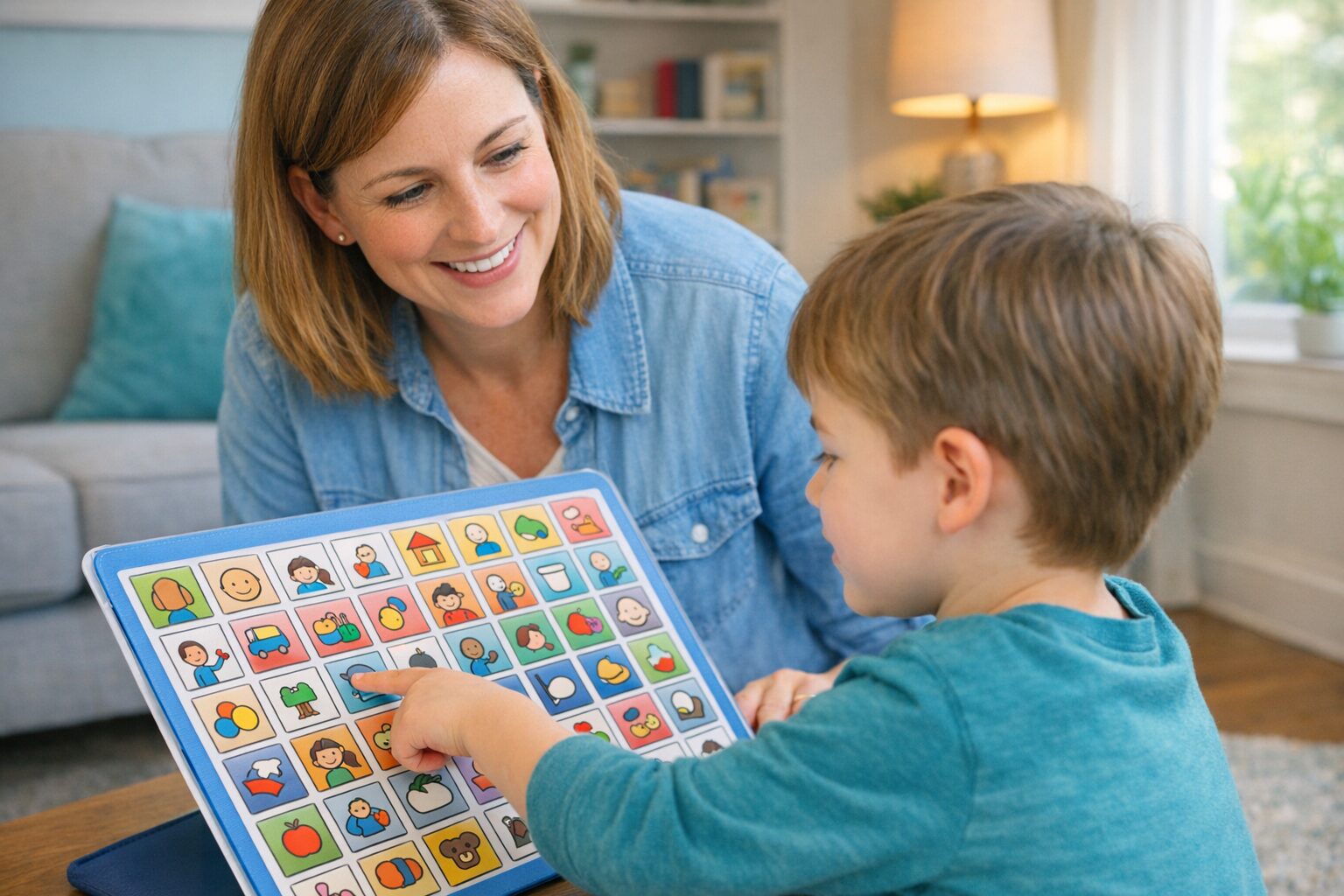
Best Products for First Words Speech Cards
| Product | Best For | Why It Helps | Link |
|---|---|---|---|
| First Words Flashcards | Everyday nouns and routines | Clear photos and simple labels make modeling and pointing easy during play and mealtimes. | View on Amazon |
| Speech Therapy Flashcards | Structured practice with categories | Themed sets support sorting, matching, and repetition for stronger carryover. | View on Amazon |
| Cognitive Flashcards | Broad early-learning vocabulary | Varied topics (colors, shapes, animals) keep sessions fresh and flexible. | View on Amazon |
| Picture Communication Cards | visual communication and routines | Durable visuals double as a simple AAC support to reduce frustration. | View on Amazon |
| First Words Board Books | Sturdy, on-the-go practice | Board-book format withstands toddler use and encourages joint attention. | View on Amazon |
Related Guides You Might Find Helpful
First Words Flashcards for First Words Speech
For most families beginning their first words speech cards vocabulary journey, a classic deck of first words flashcards is the easiest win. These sets typically feature crisp photos of common items your child sees daily—cup, car, ball, shoes—so you can model language in the exact moments your child is motivated to communicate. Because the images are realistic and the labels are simple, you can point, sign, say, and act out the word naturally during play and routines.
Pros
- Clear, photo-based images that match real-life objects
- Portable for car rides, diaper bags, and park time
- Simple labels that support early sound imitation
- Great for pairing with songs, gestures, and pretend play
Cons
- Some packs mix too many categories; choose focused sets to start
- Glossy finishes can glare under bright lights
- Small cards can be easy to bend; consider laminating favorites
Best for
- Beginning talkers who benefit from everyday object words first
- Parents who want quick, low-prep prompts for short daily practice
- Pairing with snack time, bath, and play for natural repetition
First Words Flashcards → Check price on Amazon
Speech Therapy Flashcards for First Words Speech
When you want a bit more structure, speech therapy flashcards step in with curated categories and built-in prompts. These decks often include verbs, prepositions, and action pictures, which are essential for moving beyond nouns to short phrases like “drink milk” or “push car.” Because the cards are intentionally grouped, you can target one skill per session and therefore keep your child successful and engaged.
Pros
- Intentional categories (actions, locations, opposites) support phrase growth
- Useful for SLP-guided home programs and data tracking
- Often include teaching tips and game ideas
- Works well for kids who like structure and routines
Cons
- Some illustrations can be abstract; choose photo-rich sets if needed
- Larger decks may feel overwhelming; rotate a small selection
- Action scenes can be busy; keep backgrounds simple for beginners
Best for
- Children ready to expand from single words to short phrases
- Caregivers following an SLP’s home carryover plan
- Targeted practice for verbs and location words
Speech Therapy Flashcards → Check price on Amazon
Cognitive Flashcards for First Words Speech
Cognitive flashcards cover a wider early-learning range—colors, shapes, numbers, animals, foods, and body parts—while still supporting first words speech cards vocabulary goals. Because variety matters for attention, these mixed decks let you pivot quickly when interest dips. You can spotlight a few cards that match your child’s current fascinations (trains, dogs, strawberries) to keep motivation high while still weaving in new targets.
Pros
- Broad topics allow flexible, interest-led practice
- Helpful for labeling body parts during dressing and bath
- Easy to create mini-themes (e.g., “red things,” “things that go”)
- Great add-on for siblings who like to “teach” and model
Cons
- Too many concepts at once can dilute repetition
- Some decks include tiny text or cluttered layouts
- May require you to pre-select a focused set per session
Best for
- Families who want extra variety without stocking multiple decks
- Kids who cue into colors and categories
- Joint routines like puzzle time and songs with pointing
Cognitive Flashcards → Check price on Amazon
Picture Communication Cards for First Words Speech
Picture communication cards are designed for visual communication and can double as a simple AAC support at home. Because the images are functional and durable, these cards help kids point to request, choose between options, and build short message strips (“I want + cookie”). Consequently, they can reduce frustration while giving you consistent opportunities to model language and expand utterances naturally.
Pros
- Functional visuals to support requesting and routines
- Durable, often laminated or plastic-coated
- Can pair with a low-tech board for first AAC steps
- Aligns with SLP and classroom visual supports
Cons
- Symbols vary; test a few styles to find what your child understands best
- Requires a simple system for organization and storage
- May use icons rather than photos; younger children may prefer real images
Best for
- Reducing frustration during choices and transitions
- Beginning AAC exploration with picture supports
- Embedding visuals in mealtime, dressing, and play
Picture Communication Cards → Check price on Amazon
First Words Board Books
Board-book style first words sets combine the staying power of books with the simplicity of picture cards. These are especially helpful for toddlers who love turning pages or for on-the-go language time in the stroller or waiting room. Because the format encourages joint attention and pointing, you’ll find it easier to balance labeling with simple wh-questions (“What’s this?” “Where’s the dog?”) in a cozy, low-pressure way.
Pros
- Sturdy pages withstand everyday toddler use
- Great for bedtime, cuddle time, and quiet routines
- Often feature themed spreads (foods, clothing, vehicles)
- Encourages pointing, imitation, and turn-taking
Cons
- Less flexible than loose cards for games and sorting
- Harder to isolate a single target without covering the page
- Bigger books are less portable than small card decks
Best for
- Children who love books and page-turning
- Families seeking durable, screen-free practice on the couch
- Evening routines when attention is calmer
First Words Board Books → Check price on Amazon
How to Choose the Right First Words Speech Cards

Because every child’s profile is unique, the best first words speech cards vocabulary set is the one your child will actually use, understand, and enjoy. Therefore, consider the following features while keeping your child’s interests and needs front and center.
Key features for first words speech cards vocabulary
- Real photos vs. illustrations: Beginners often benefit from photo-real images that match objects they see daily. However, some children enjoy simple, high-contrast drawings; test both.
- Action pictures: Verbs unlock phrases. Additionally, look for images like “eat, drink, push, open, wash” to build two- and three-word combinations.
- Size and sturdiness: Toddlers are rough on materials. Consequently, thicker cardstock or laminated cards last much longer.
- Diversity and representation: Choose sets showing a range of people, cultures, and daily life scenes. Therefore, your child sees themself—and others—reflected.
- Matte finish: A matte coating reduces glare and is easier to see under bright lights.
- Organized categories: Clear groups (foods, toys, actions, places) make it easier to rotate targets and avoid overwhelm.
Match to your routines and interests
Language sticks when it’s meaningful. Therefore, start with words your child already loves: favorite snacks, pets, vehicles, and bath toys. Moreover, keep a tiny “go pack” of 8–10 cards that align with your day (snack, park, bath, book) so practice happens in real moments rather than scheduled drills.
Pair visuals with simple AAC supports
If your child benefits from visual choices, you can combine first words speech cards with picture-based supports at home. For inspiration on everyday visuals, explore our overview on Picture Communication Cards. Furthermore, if you’re considering more robust AAC options, you might learn about tools like Communication Board or app-based systems such as Proloquo2Go and TouchChat, which can complement early vocabulary work without replacing it.
Consider sensory and attention needs
Many toddlers do best when their bodies feel regulated. If background noise is tough, noise-reducing headphones can make a quiet language corner at home. Additionally, if your child seeks oral input, a safe chew necklace can help them focus during card play. For kids who benefit from movement, keep sessions short and embed action words (“jump, clap, spin”).
Build in articulation and oral-motor support
When your child is ready to pay attention to mouth shapes, an articulation mirror can make sound practice feel like a game. Additionally, playful breath work with a bubble set often motivates sound imitation and turn-taking while you label actions like “blow, pop, catch.”
Curious about nutrition and brain health?
Some families explore gentle nutrition supports alongside hands-on language work. While cards and play remain the center, you can read more about options parents discuss with clinicians, such as leucovorin/folinic acid, 5‑MTHF methylfolate, methyl B‑12, omega‑3 DHA/EPA, magnesium glycinate, and a kids probiotic. For a deeper dive into folate and methylation science, see our summary of Dr. Richard Frye’s work here and the book The Folate Fix. Always collaborate with your pediatric team when considering supplements.
Common Mistakes to Avoid

Even great first words speech cards vocabulary sets can collect dust if they’re used in ways that don’t fit your child. Thankfully, a few small shifts can make a big difference.
Skipping play with first words speech cards vocabulary
If cards only come out for “practice time,” your child may avoid them. Instead, tuck 6–8 cards into play: hide-and-seek with picture clues, kitchen pretend with food cards, or a “find it” scavenger hunt after labeling. Consequently, the words become part of real moments.
Quizzing instead of modeling
Rapid-fire questions can feel like a test. Therefore, aim for a 3:1 ratio of you modeling to you asking. Try: “Ball. Big ball. Roll ball!” Then pause and watch. If your child vocalizes, echo and expand warmly.
Moving too fast
It’s tempting to introduce new sets weekly. However, repetition builds understanding and confidence. Moreover, rotate a tiny core of favorites and add one new card at a time so you keep momentum without overwhelm.
Ignoring sensory needs
Struggling attention is not stubbornness. Therefore, adjust the environment: quieter space, movement breaks, fidgets, or a safe chew. Additionally, dim overhead lights if glare on glossy cards bothers your child.
Forgetting generalization
Words learned on cards must show up in life. Consequently, after labeling “cup” on a card, hand your child a real cup and model “cup, drink.” Take one or two cards on outings and label the real-world matches you find.
FAQ

How often should we use first words speech cards vocabulary at home?
Short, frequent bursts work best: 5 minutes, 2–4 times per day. Furthermore, tie sessions to routines you already do—snack, bath, cleanup—so practice happens naturally and consistently.
Which comes first: nouns or verbs with first words speech cards vocabulary?
Start with motivating nouns your child sees every day (ball, cup, car). However, introduce a few high-power verbs (eat, go, open, push) early so you can build short phrases quickly.
What if my child won’t sit for cards?
Follow their lead. Moreover, bring the cards into play rather than bringing your child to the table. Hide cards in blocks, tape them to toy bins, or match cards to real objects during movement games.
Are picture communication cards the same as AAC?
Picture cards are a simple form of visual support and can be used as low-tech AAC. Additionally, they can complement speech by giving your child a way to request and comment while you keep modeling spoken words. If you want more robust options later, tools like Communication Board, Proloquo2Go, or TouchChat can be explored with your SLP.
Do supplements help with speech development?
Hands-on language practice is the core of progress. However, some families discuss nutrition with their clinicians. If you’re curious, you can read about areas parents explore—such as folinic acid (leucovorin), 5‑MTHF methylfolate, methyl B‑12, omega‑3 DHA/EPA, magnesium glycinate, and a kids probiotic. For background reading, see our summary of Dr. Frye’s folate research and The Folate Fix. Always partner with your pediatric team.
How many cards should I use at once?
Begin with 6–10 highly motivating cards. Additionally, rotate in one new word at a time and retire a mastered one so your set stays fresh yet familiar.
Can older siblings help with first words speech cards vocabulary?
Absolutely. Furthermore, siblings can model, take turns, and “teach” a card or two. Keep it playful—high fives, bubbles, or a silly dance after a good try.
Final Verdict
The right first words speech cards vocabulary set should feel easy to grab, fun to use, and flexible enough to follow your child’s lead. Start with photo-based first words, layer in action cards to spark short phrases, and weave visuals through the real moments you share every day. In 2026 and beyond, the winning formula remains the same: keep it short, keep it joyful, and let connection lead—because words grow best in play.
🔗 Quick Links to Our Top Picks
Our Promise: We research and compare so your child can get the support they deserve.
Explore More in AAC & Communication Tools
Browse all 2 parent guides, product reviews and research summaries in this category.
Browse All Articles →